
When Protein Became a Personality
And what gets overlooked when we let labels do the thinking
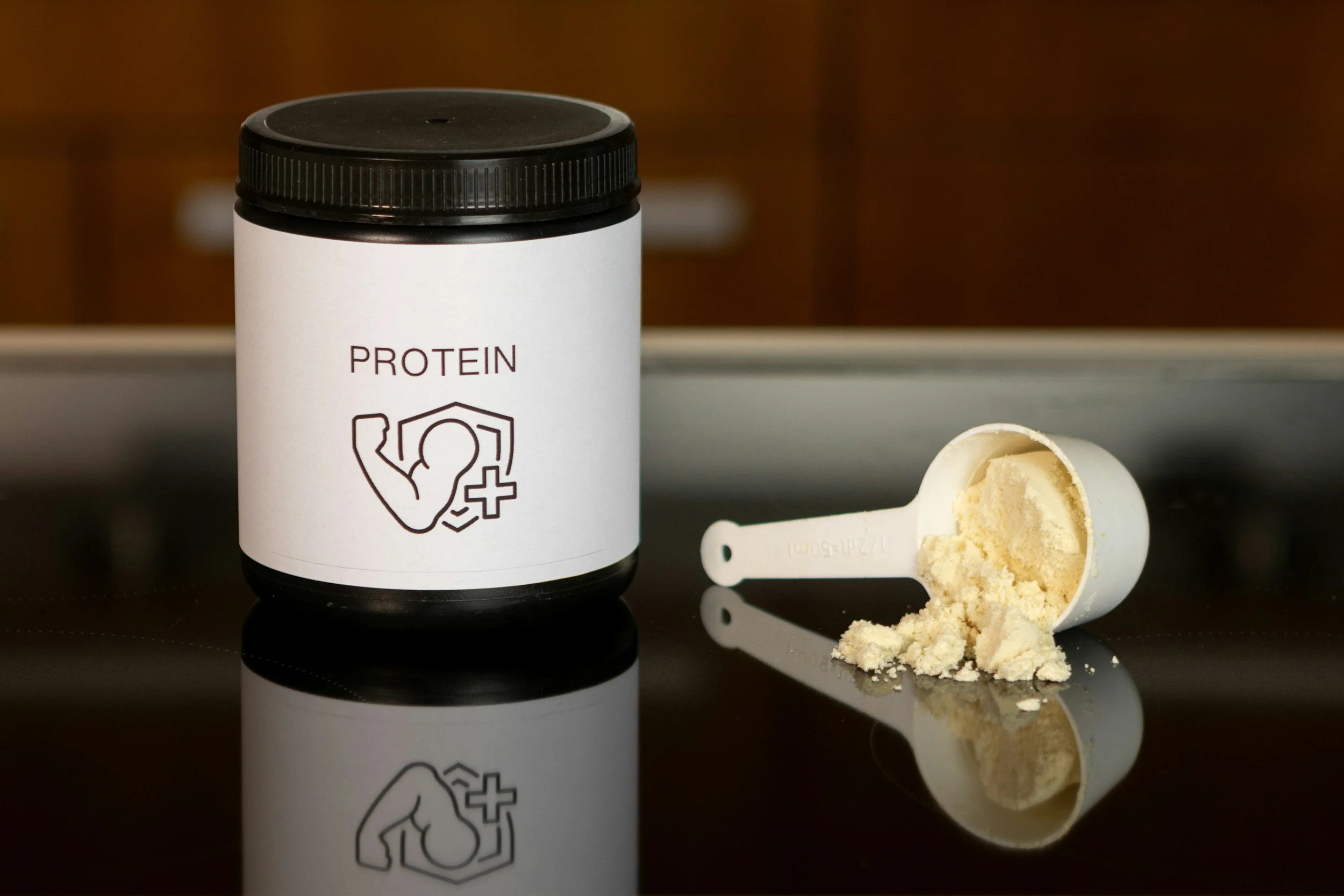
Protein is everywhere right now.
Protein pancakes.
Protein popcorn.
Protein candy bars.
Protein water. (OMG, we need to talk about this one.)
Somewhere along the way, high protein became shorthand for being responsible. Disciplined. Someone who clearly has their life together and shops with intention.
If a product has bold lettering shouting 20g PROTEIN across the front, most of us give a small nod of approval and toss it into the cart without asking too many follow-up questions. It feels like a safe choice. A smart one. A grown-up one.
And I get it. Protein matters. It supports muscle, blood sugar stability, satiety, hormone health, recovery, and aging well. It absolutely deserves a seat at the table.
But what’s happening right now isn’t a thoughtful conversation about nourishment. It’s a marketing moment. And we’ve seen this movie before.
We’ve done this dance with fat.
Then carbs.
Then sugar.
Then “clean eating.”
Now it’s protein’s turn to wear the halo.
The issue isn’t protein itself. The issue is what we’re suddenly willing to overlook because something contains protein.
A candy bar with added whey isolate is still a candy bar. A neon-colored snack made in a factory doesn’t become virtuous because it learned a new macro.
Adding protein to ultra-processed food doesn’t magically make it nourishing. It just makes it fortified junk with better PR.
And the body is smarter than marketing copy. It knows the difference between food that actually supports it and food that simply checks a box.
Protein isn’t a magic wand. It doesn’t cancel out:
• ultra-refined oils
• artificial sweeteners that quietly wreak havoc on digestion for some people
• gums, stabilizers, and fillers that confuse the gut
• foods engineered to be hyper-palatable rather than supportive
What concerns me isn’t that people are eating protein. It’s that we’re being taught to outsource discernment to a label.
“High protein” has become a permission slip.
And permission slips tend to get abused.
Coming Soon to a Label Near You: Fiber™
Here’s my prediction. Bookmark this.
The next wellness darling is fiber.
You’ll see it everywhere.
High-fiber brownies.
Fiber-enhanced cereals.
Fiber gummies promising gut health in a chewable square.
And again, fiber matters. It feeds gut bacteria, supports digestion, helps regulate blood sugar, and plays a role in hormone metabolism.
But here’s the part that never makes the headline.
Fiber is like a muscle, not a switch
More fiber isn’t automatically better.
One of the most common causes of constipation I see is actually too much fiber, too fast. Especially when it’s introduced through powders, bars, supplements, or “functional” foods instead of whole sources.
If your body isn’t used to digesting large amounts of fiber and you suddenly flood it with 40 grams a day, your system doesn’t applaud your effort. It panics.
Gas.
Bloating.
Constipation.
That uncomfortable feeling that makes people swear fiber “doesn’t work for them.”
Fiber needs to be trained, just like a muscle.
You don’t walk into the gym, load up a barbell, deadlift 300 pounds on day one, and expect a gold star. You build capacity slowly. You recover. You pay attention to feedback.
Digestion works the same way.
But we don’t teach that. We sell urgency instead.
What’s missing from the wellness conversation isn’t another macro target.
It’s context.
Your body’s needs depend on things like:
• stress levels
• gut health history
• nervous system state
• hormones
• sleep
• how processed your current diet already is
Slapping protein or fiber onto a product ignores all of that. It treats the body like a blank slate and digestion like a simple math equation.
It isn’t.
Instead of asking,
“Does this have protein?”
Try asking,
“What is this, actually?”
Instead of chasing the next functional label, consider:
• Is this food recognizable?
• Would my great-grandmother know what this is?
• Does my body feel better or worse after eating it?
• Is this supporting digestion, or quietly challenging it?
Nutrition doesn’t need to be dramatic to be effective. It needs to be honest.
Protein isn’t the villain.
Fiber isn’t the enemy.
Trends aren’t inherently bad.
But when marketing gets louder than physiology, we lose the plot.
Food isn’t just fuel or macros or grams on a label. It’s information. It’s communication. It’s a relationship.
And like any good relationship, it works best when we slow down, pay attention, and stop believing everything that looks good at first glance.
Your body already knows the difference.
Our job is to listen before the label tells us what to think.